Delivering For
Our Planet


We strive to be carbon neutral business by 2050 through reducing emissions, respecting water, and enabling circular systems.
Conservation of energy
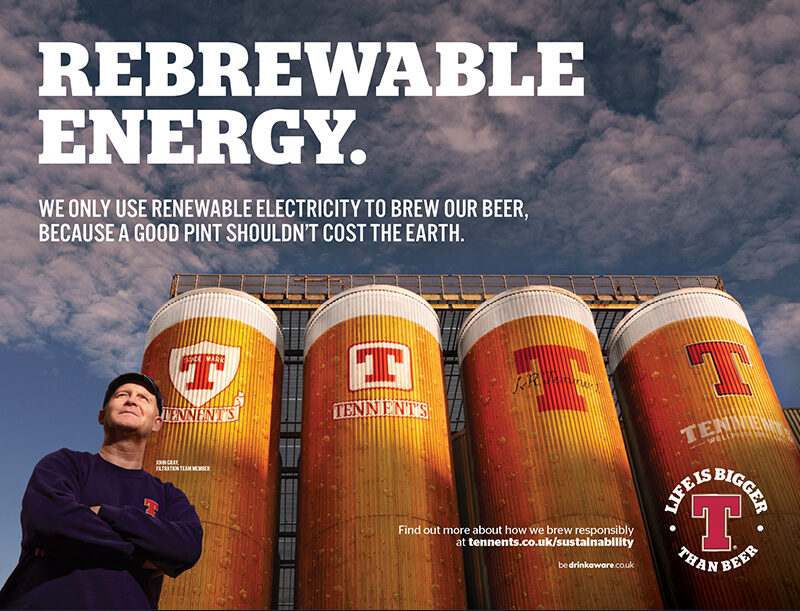
In FY2026, 99% of the Group’s electricity consumption was supplied under renewable electricity tariffs supported by Renewable Energy Guarantees of Origin (REGOs), an increase from 95% in FY2025. REGOs certify that an equivalent amount of electricity has been generated from renewable sources and supplied to the grid

Reducing our carbon emissions
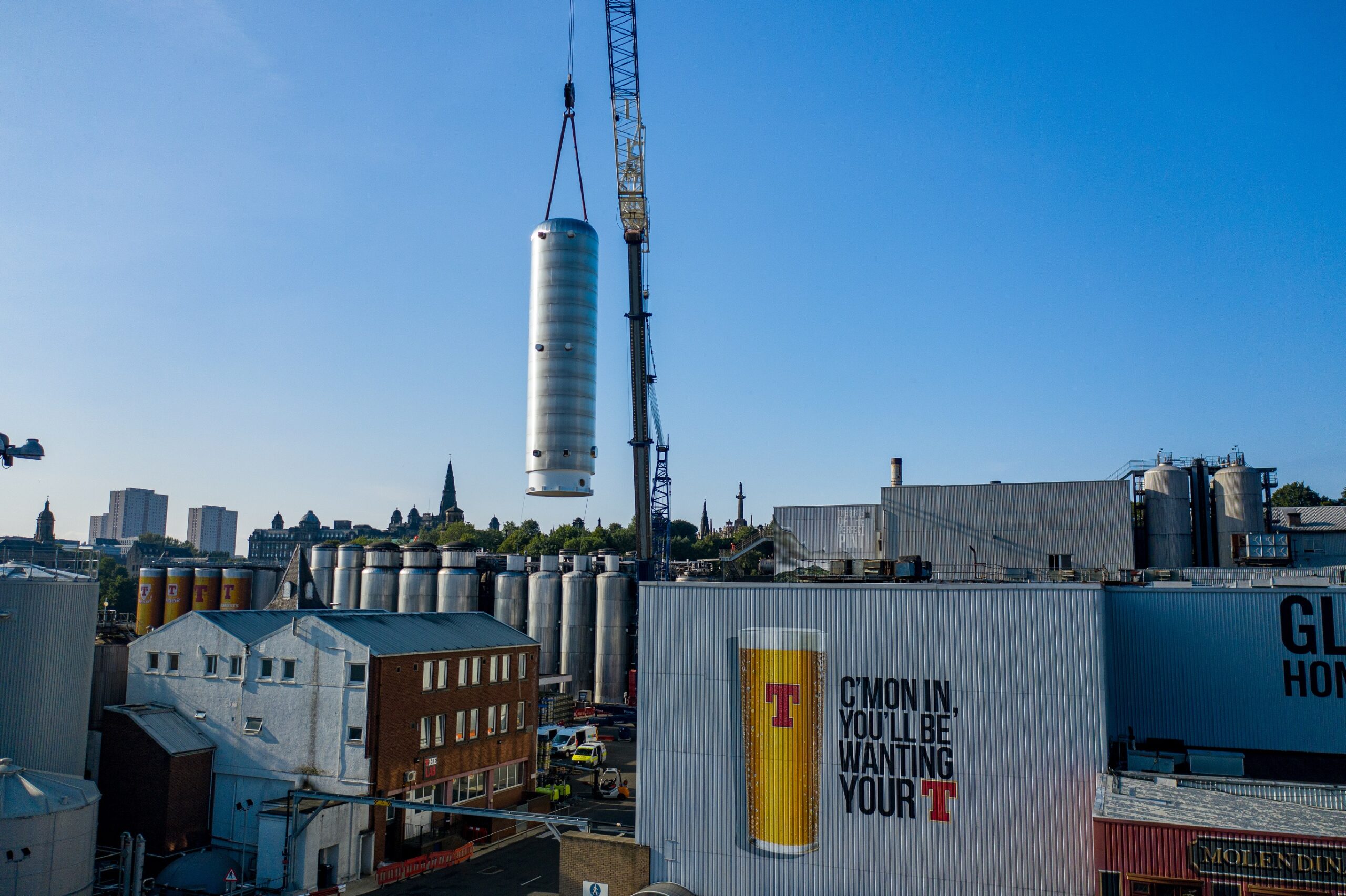
We achieved an 11% year-on-year reduction (Scope 1 and 2 location-based emissions) and a 43% overall reduction against the FY2020 baseline. Efficiency savings and reduction in emissions is driven by capital investment in new technology at our manufacturing sites, increasing the use of renewable energy across our own operations, reduced fossil fuel consumption and further rollout of alternative fuel, i.e., hydrotreated vegetable oil (‘HVO’). The Group will install an E-Boiler, which is forecast to reduce carbon emissions by approx. 3,000 tCO2 e. This investment will reduce underlying emissions at our Wellpark site by 53%.
Scope 3 emissions
Our Scope 3 emissions (including Purchased Goods, Use of Sold Product, End of Life Treatment, and other indirect emissions) account for 96% of C&C’s total emissions. 81% of our Scope 3 emissions are attributed to third-party products that we purchase and deliver to our customers. We are directly engaged with key suppliers to explore collaborative emission reduction projects as part of our Sustainable Procurement programme.

Sustainable Logistics
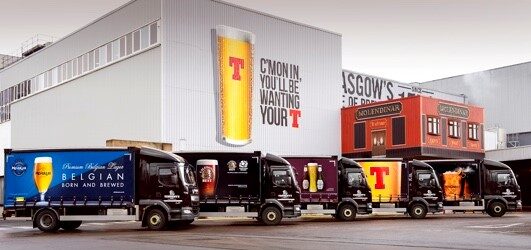
Fuel use is a significant source of our emissions. To help reduce these emissions, we are expanding the use of HVO fuel across selected depots and trialling electric HGVs at our Orbital West depot in London.
Waste Minimisation and Circularity
The waste management approach is guided by the waste hierarchy: prioritising prevention and implementing reuse and recycling where possible. In our manufacturing sites, waste is source-segregated to maximise opportunity for recycling. We monitor manufacturing waste streams for contamination and implemented target improvements.